November 4-5th , 2024
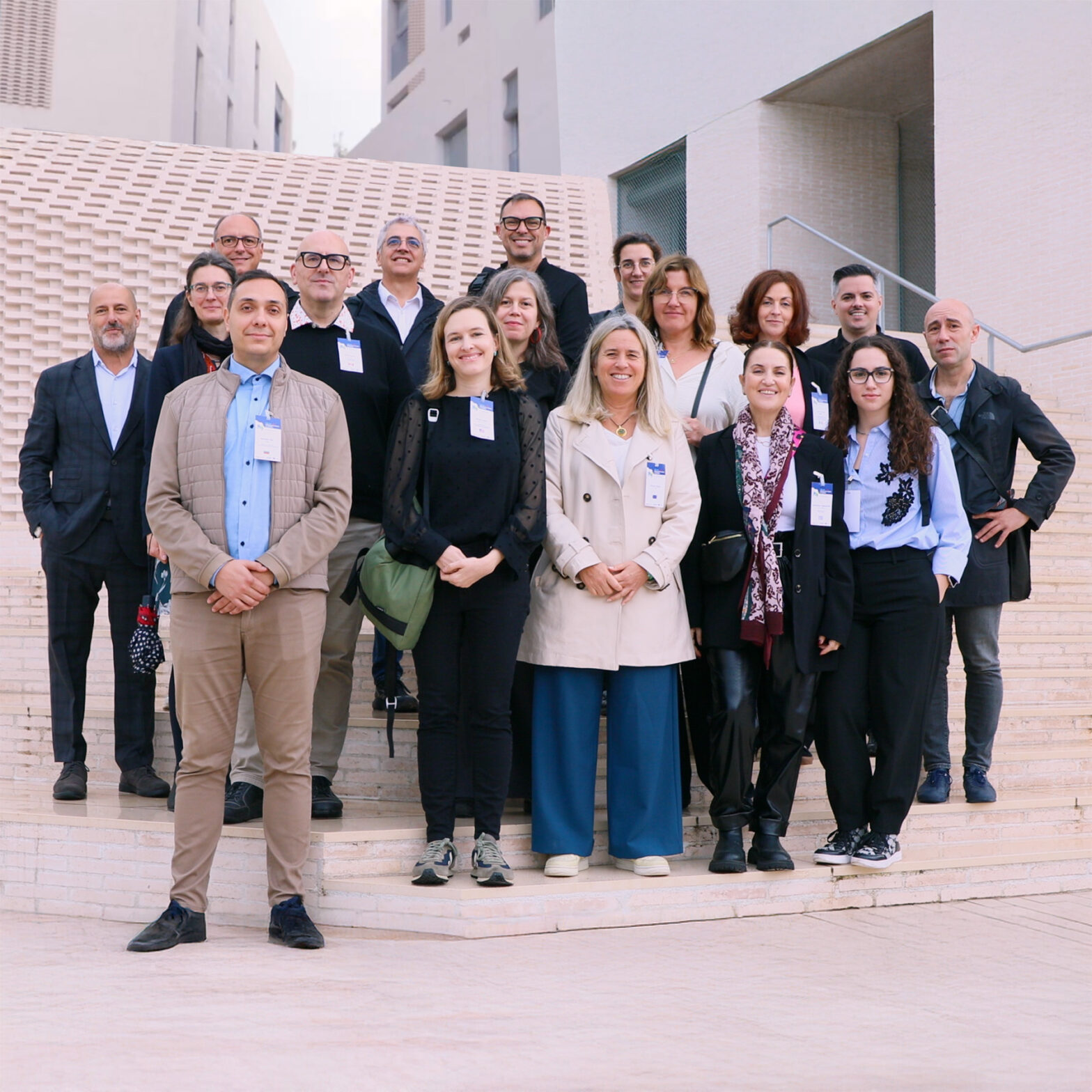
The recent IURC NA Urban Planning Cluster visit to Barcelona, from 4-5 November, brought together 14 cities from Europe, Canada, and the USA for two days of intensive collaboration on two critical urban challenges: affordable housing and urban data management. The event, organized around site visits, workshops, and the Smart City Congress, provided a platform for cities to share experiences and learn from each other’s innovations.
On the first day, participants visited a sustainable, affordable housing project in Masnou, part of the Metropolitan Area of Barcelona (AMB). This project, designed with bioclimatic principles, prioritizes energy efficiency and community-centric living. The study visit inspired rich discussions, with New York City and the Basque Country offering insights into their own housing challenges and solutions. The Basque Country emphasized the need for industrialized construction to address housing demand more efficiently, showcasing prefabricated housing to reduce costs and speed up development. New York City shared its success with the PACT program, which secures funding for housing repairs while ensuring tenant protections.
Key takeaways from the session included the importance of collaborative planning, flexible designs to adapt to demographic changes, and financial sustainability through public-private partnerships.
Day two shifted focus to urban data management, highlighting Hamburg’s Urban Data Platform, which integrates real-time data from various city systems. The platform?s standardized APIs and “digital twin” technology demonstrated how data can drive smarter city management and sustainable urban development. Toronto and Hamburg, who extended their cooperation as a pairing, highlighted the importance of creating standardized, open-data platforms to improve governance and transparency.
Participants explored the potential of integrating AI into urban planning and emphasized the need for data transparency and quality.
During the Smart City Congress, cities discussed innovative technologies and future collaborations by participating in targeted sessions, visits to booths, and networking spaces. Participants noted the value of human-centered solutions, focusing on how technology can enhance citizen engagement and urban mobility.
This exchange of ideas and best practices provided valuable insights for the participating cities and helped shape future priorities for the IURC NA Urban Planning Cluster, such as organizing a webinar dedicated to transforming underused and abandoned areas early next year.
 ????
????